
Play for All
PLAE has published its research and best practices to support communities in creating successful outdoor play and other healthy environments.
Publications
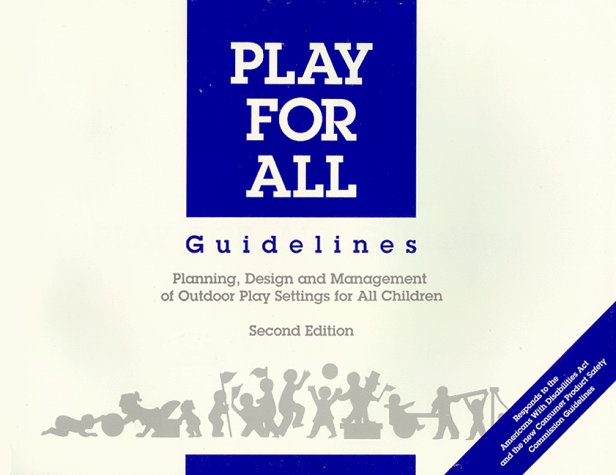
Play For All Guidelines
This book began as a four-year research project about integrating children with and without disabilities into public play settings. PLAE conducted field research at prototype programs that served thousands of children of all abilities. The research became a design manual, which was then reviewed, critiqued and refined at a three-day design charrette at Stanford University, attended by 136 professionals in the fields of child development, recreation therapy, education, law, landscape architecture, and park management. The guidelines address the full-range of play area planning, design and management issues, safety and risk management, accessibility and integration, maintenance, and—most importantly—child development.
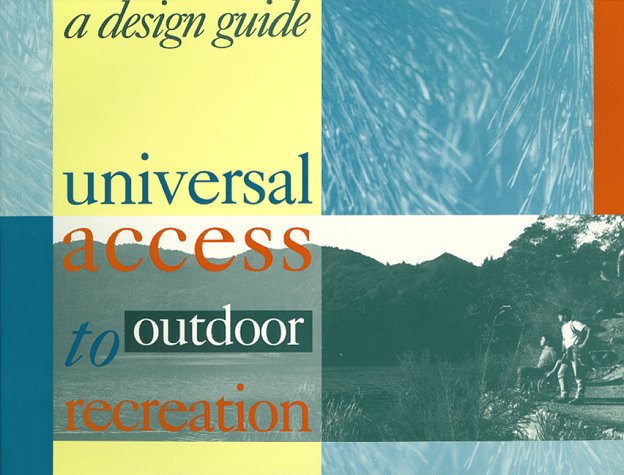
Universal Design for Outdoor Recreation
PLAE worked with the USDA Forest Service to document and illustrate universal design in environments the Forest Service manages, ranging from urban outdoor experiences to very natural wild lands. The research became this award-winning book, which establishes a framework for determining the appropriate level of access in various outdoor sites. It presents detailed design guidelines for the systems and elements necessary for ensuring accessibility to recreational trails, campsites, picnic areas, group meeting areas, and more. Examples demonstrate how to apply the guidelines in typical outdoor settings to offer recreational opportunities for individuals of varying abilities.This publication became the official design guide for the USDA Forest Service and its training manual for design staff.
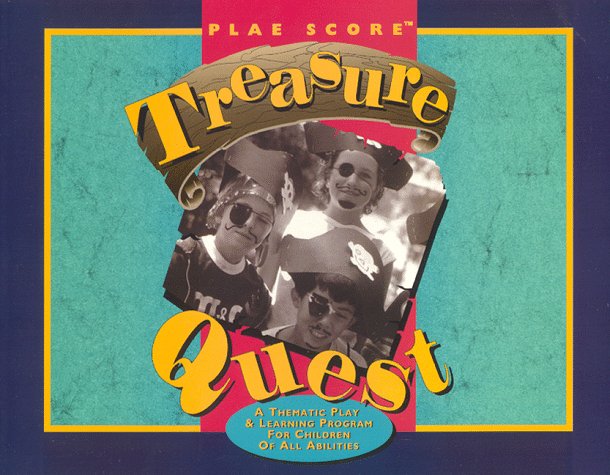
PLAE Scores
PLAE Scores are a series of three books for programmed playing. The guides integrate the arts, multiple topics (science, math, social studies, and language), and manipulation of the environment to create hands-on learning experiences for children of all abilities.
Circus City: Children develop their own circus acts, stage sets, and costumes. Every child becomes a star while learning circus skills such as clowning, tumbling, juggling, lion taming, and more.
Frontier Village: Children work together to build their own gold rush town, establish their own laws, construct their own homes, and create a town economy.
Treasure Quest: Children become pirates, build a ship, and learn “survival skills” as they search for buried treasure.
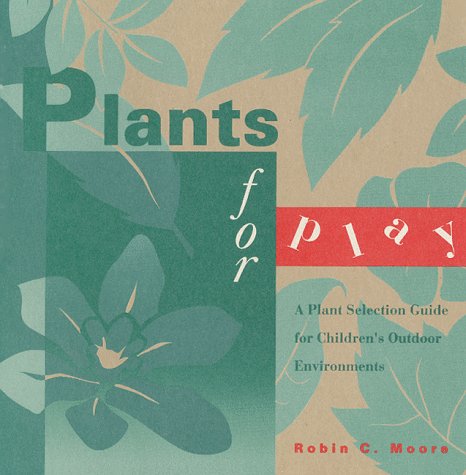
Plants for Play
Fragrance, texture, shade, play props, hiding places, seasonal interest, wildlife enhancement, and erosion control are some of the many topics covered in this discussion of the creative functions of plants in play environments. Plus the plants not to include!
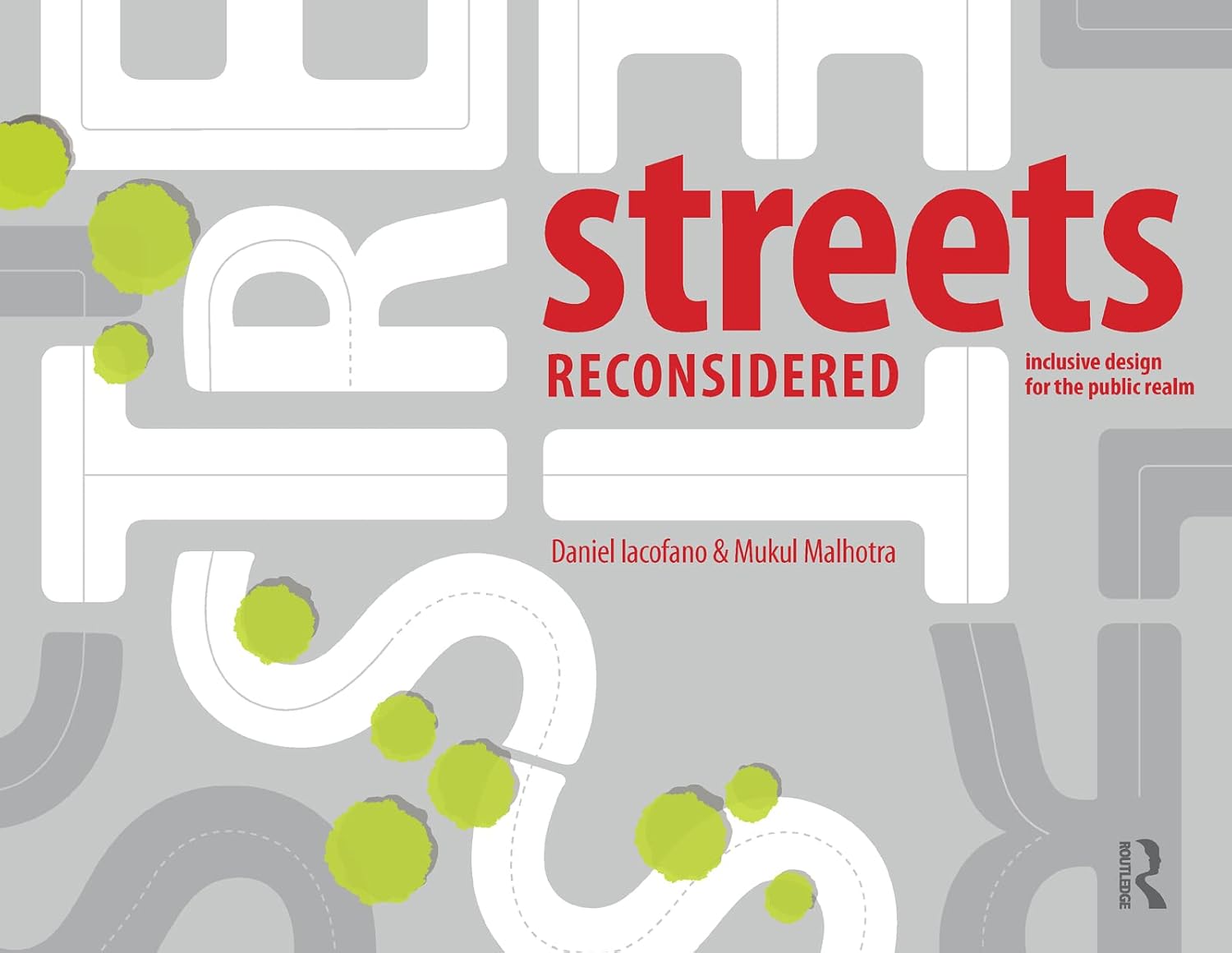
Streets Reconsidered
Streets Reconsidered is an essential resource for city planners, urban designers, developers, architects, landscape architects, policymakers and community members who share a passion for great urban, human spaces. Streets Reconsidered is a fundamental rethinking of America’s streets. Using real-world case studies and detailed design guidelines, the book explores the future of streets and what America’s roadways could be if they were designed for living, instead of just driving—envisioning how streets could accommodate people of all ages and abilities and promote healthy urban living and social interaction. Streets Reconsidered pushes beyond the current standards, focusing on the planning, design and construction of streets as a method for improving our built environment for everyone.
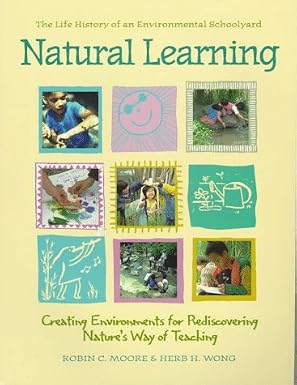
Natural Learning
An asphalt schoolyard is transformed into a lush, naturalized environment, integrating design, education and nature. This seminal book is a valuable resource for anyone working with children in natural settings.
Childhood's Domain
Childhood’s Domain is a ground-breaking examination of how children use the urban environment for play and learning. Viewing the world through their eyes, it describes the unique ways that children observe their surroundings, how they claim territory as their own, and how the physical environment contributes to their development and learning. The book includes policy recommendations for urban planners, designers, and decision-makers.
We have developed and curated free resources to help you bring nature play and outdoor learning to life in outdoor spaces.